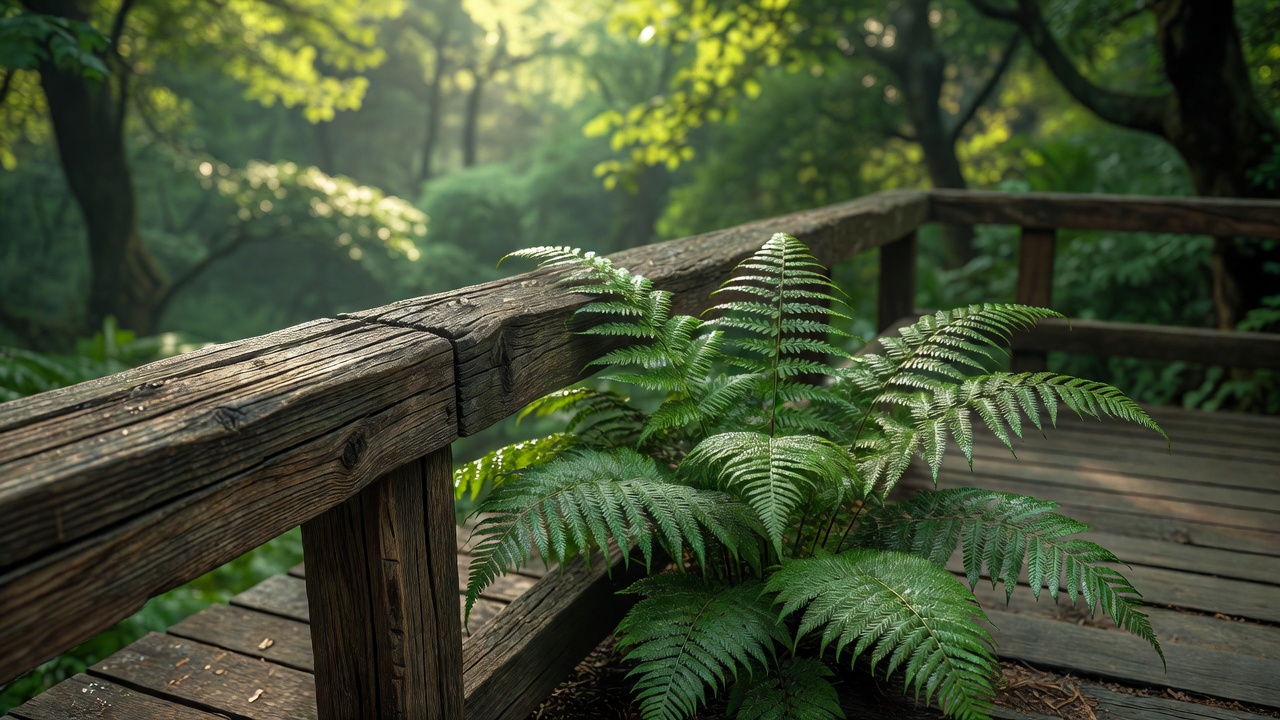
Forest viewpoints change the scale of a trip. Instead of scanning a distant skyline, you may be looking into the crowns of trees, across a wooded valley or along a quiet boardwalk. That shift rewards patience, but it still requires preparation. A structure described as a canopy walk might be a broad ramp, a tower with stairs or a suspension walkway that moves underfoot. Read the details before choosing the experience.
Identify the structure you are visiting
The Black Forest treetop walk near Bad Wildbad is a useful starting point for thinking about route design: the arrival, elevated walkway and tower experience are related but distinct parts of a visit. Confirm current information directly with the operator, including any optional sections. Do not assume that a step-free main route means every feature, approach path or nearby attraction has the same access.
At the Tree Top Walk in the Valley of the Giants in Western Australia, the elevated setting is central to the experience. At Singapore’s TreeTop Walk in the Central Catchment Nature Reserve, approach walking and route arrangements are important planning questions. These are not interchangeable outings. Compare the full distance, surrounding terrain, operating hours and any direction-of-travel requirements for the specific place.
Ask access questions that describe your needs
A general accessibility symbol may be helpful, but it cannot tell every visitor enough. Ask about gradients, resting places, surface gaps, handrails, lift reliability and the distance from accessible parking or public transport. If you use a mobility aid, explain its type and any limits that matter to you. Ask whether there is an alternative when a section is closed or a lift is unavailable.
Sensory comfort also deserves a place in the plan. Open mesh, visible drops, bridge movement, crowded platforms or loud groups can change the experience. Someone who is comfortable in a forest may still dislike an elevated walkway. Look for an honest description of the structure and agree in advance that turning back is an acceptable choice.
Read forest weather at walking pace
Tree cover does not remove weather risk. Wind can affect canopy structures and falling branches, while rain can make access paths slippery. Operators may close a walkway even when nearby roads remain open. Check notices before travelling and again on arrival. Respect a closure without trying to reach the same outlook by an informal forest track.
After rain, damp leaves and timber can hold moisture longer than exposed paving. Wear footwear appropriate to the route and move carefully between surfaces. In warm or humid settings, carry drinking water and follow local advice about insects and wildlife. Do not feed animals to bring them into a photograph or approach them for a closer view.
A slower alternative is still a proper visit. A ground-level loop with seating may suit the day better than a tower. The right viewpoint is the one the whole group can comfortably use.
Photograph layers rather than chasing distance
Forest light often arrives in patches. A bright opening behind shaded leaves can create more contrast than a camera records comfortably. Try a composition with more even light, or focus on a small subject beside the permitted path. Bark, rail texture, seed heads and the repeated shapes of branches can convey the setting without a broad panorama.
On a moving walkway, use a shutter speed suitable for both your own movement and the subject. Do not assume a tripod is permitted, practical or helpful on a flexible structure. Leave passing space and avoid resting equipment where it can fall. Keep straps controlled so they do not catch on rails or brush another visitor.
Give the place time, not extra pressure
Choose a visit window that allows you to stop without hurrying toward closing time. A quieter period may help, but do not assume that early arrival guarantees solitude or wildlife. Listen for changes in wind and notice how the canopy opens as you move. Stay on established paths and do not bend branches or remove plants to simplify a frame.
For current primary information, use the Black Forest treetop walk operator, Western Australia’s parks service and Singapore’s National Parks Board. Search for the exact attraction and current notices. Our examples explain what to check; they do not certify present opening, accessibility or suitability.
Access note: how can I assess a walkway’s movement?
Ask the operator whether the route includes suspension sections, visible gaps or open mesh, and whether a non-elevated alternative is available. Photographs alone may not communicate the sensation of standing on the structure.